Leg pain that worsens throughout the day, especially with swelling, heaviness, or bulging veins, may signal venous disease. It happens when the small valves in your leg veins stop working well, so blood pools in your lower legs instead of flowing back up to your heart. The seven most common signs include heavy or achy legs, ankle swelling, varicose veins, night cramps, itchy skin, skin color changes, and sores that heal slowly.
Many people write these off as aging or muscle fatigue. A vein specialist can usually tell what's going on with a quick, painless ultrasound.
What is venous disease, and why does it cause leg pain?
Venous disease affects the veins that carry blood from your legs back to your heart. Leg veins have tiny one-way valves that open to let blood move up and close to keep it from sliding back down. The National Heart, Lung, and Blood Institute explains that when these valves or vein walls weaken, blood can pool in the veins and even flow backward.
Over time, that pooled blood raises the pressure in your lower legs. This extra pressure leads to the aching, swelling, and skin changes people notice. When the problem lasts and keeps getting worse, doctors call it chronic venous insufficiency, or CVI. It's more common as people get older, and it usually shows up in people over 50.
7 signs your leg pain may be coming from your veins
Vein-related leg pain usually comes with other changes you can see or feel. Here are the signs to watch for:
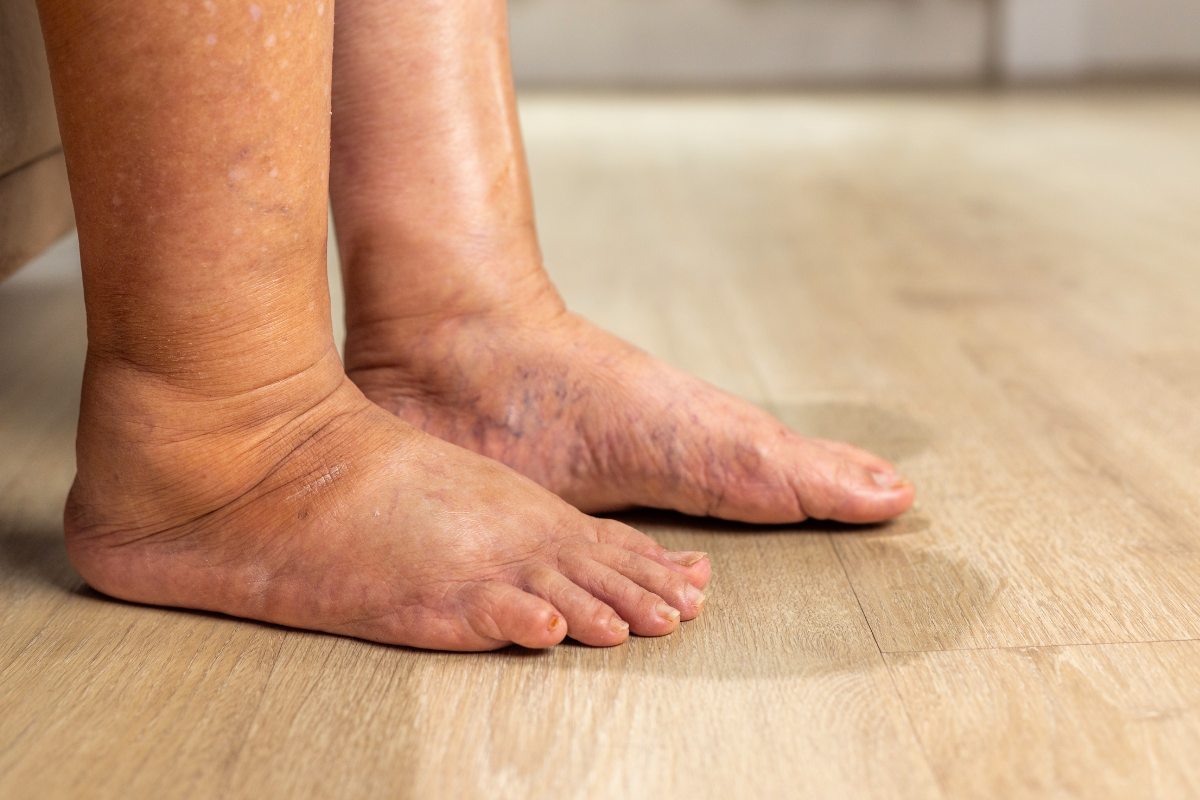
- Legs that feel heavy, tired, or achy. The feeling often builds as the day goes on, especially after standing or sitting for a long time. Many people find it eases when they lie down or prop their legs up.
- Swelling in the ankles, feet, or lower legs. You might notice deep sock marks at the end of the day or shoes that feel tighter by evening.
- Varicose veins. These are swollen, twisted veins just under the skin. They often look blue or dark purple and can feel tender to the touch.
- Leg cramps or restless legs at night. Cramping, throbbing, or an urge to move your legs can make it hard to get comfortable in bed.
- Itchy or flaky skin near the veins. The skin over your lower legs or around a varicose vein may itch or feel dry.
- Changes in skin color or texture. Skin around the ankles can turn reddish-brown and start to look thick or leathery.
- Sores that are slow to heal. Open sores, usually near the ankles, can form when vein pressure has been high for a long time. These are sometimes called venous ulcers.
Having one of these signs doesn't mean you have venous disease. If several show up together and worsen over time, it's a good reason to have your legs checked.
When leg pain needs attention right away
Some leg symptoms point to a blood clot rather than a slow vein problem. The CDC lists the most common signs of a leg clot as new swelling, unexplained pain or tenderness, warm skin, and redness. If you notice these, contact your doctor as soon as possible.
Trouble breathing, chest pain, or coughing up blood can mean a clot has moved to the lungs. Call 911 if that happens.
How do doctors check for venous disease?
Doctors usually find venous disease with a physical exam and a leg ultrasound. During the exam, the doctor looks for swelling, skin changes, and visible veins.
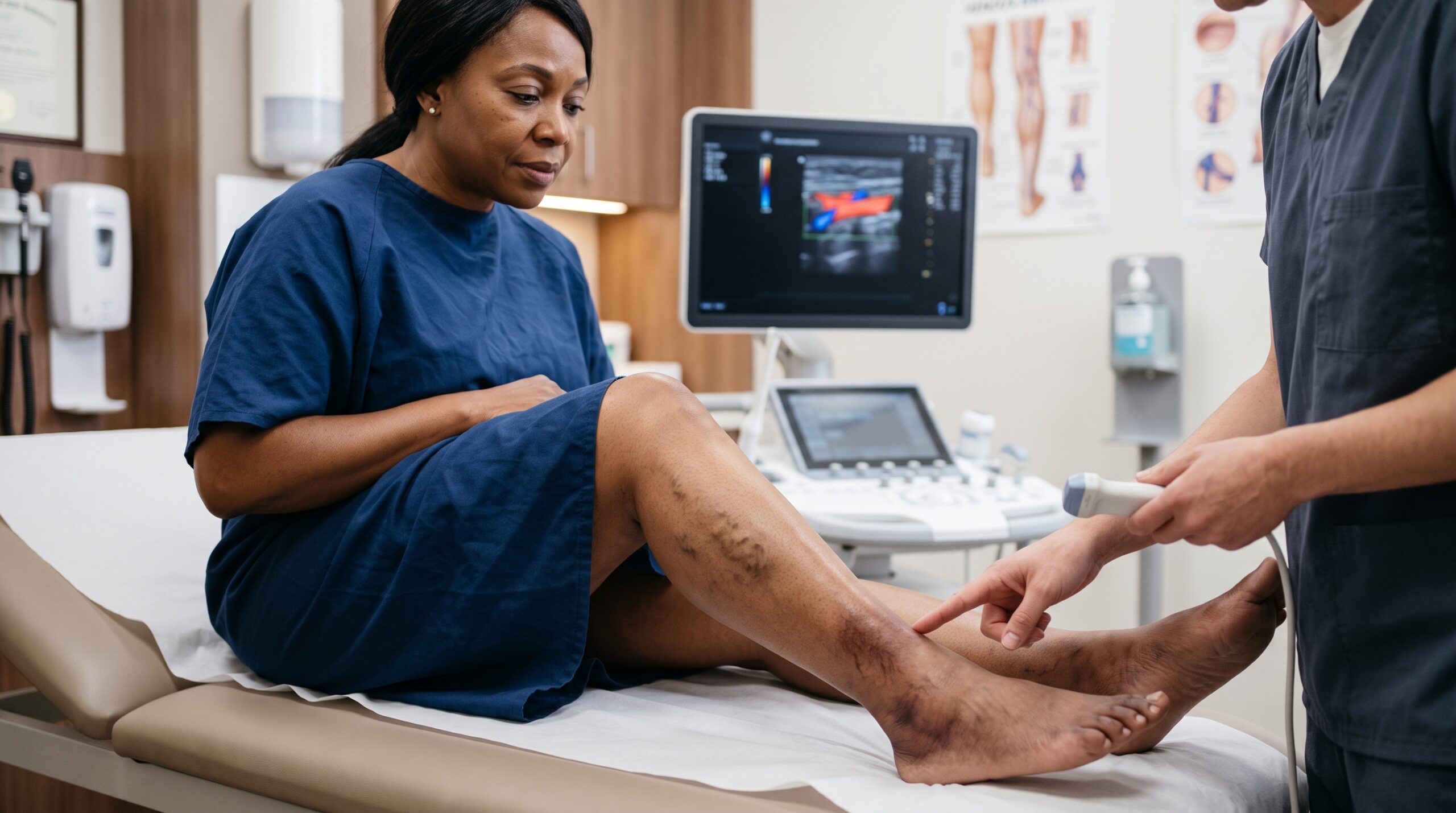
The ultrasound is painless and uses no radiation. A technologist moves a small handheld device over your legs while a screen shows blood flow through your veins. It shows whether blood flows back toward the heart or leaks backward, and which veins are involved. That helps your care team decide what, if anything, to do next.
What treatment options are available?
Treatment depends on symptom severity and what the ultrasound shows. For some people, compression stockings, walking, and raising the legs are enough to ease symptoms. When a vein procedure makes sense, most options are done in the office today.
The vein treatment options at Coastal Vascular & Interventional include:
- Radiofrequency treatment (ClosureFast): A thin tube is placed in the vein, and heat seals it closed.
- Laser treatment (EVLT): A thin laser fiber seals the vein from the inside.
- Medical adhesive (VenaSeal): A special adhesive seals the vein shut.
- Microphlebectomy: Doctors remove smaller varicose veins through tiny openings in the skin.
- Sclerotherapy: Doctors inject a liquid or foam into smaller veins, causing them to collapse and fade over time.
After a vein closes, your body sends blood through healthier nearby veins. These procedures are office-based, and recovery time is usually short. Your doctor can walk you through which option, if any, fits your situation.
Coastal Vascular & Interventional brings together vascular surgeons and interventional radiologists with offices across the Florida Panhandle. If your legs feel heavy, swollen, or sore most days, a visit can help you find out whether your veins are part of the picture.
Frequently asked questions
How can I tell if my leg pain is from my veins or my muscles?
Vein-related pain tends to build throughout the day, worsens after long periods of standing or sitting, and often eases when you raise your legs. It also often comes with swelling or visible veins. Muscle soreness usually follows exercise or strain and improves with rest. Only an exam can confirm.
Are varicose veins just cosmetic?
Not always. Some varicose veins cause no symptoms. Others can cause aching, swelling, or skin changes, which may signal an underlying vein problem worth having checked.
Does venous disease get worse over time?
Chronic venous insufficiency tends to progress slowly. Without care, it can lead to lasting skin changes and sores that are hard to heal.
Does insurance cover vein treatment?
Many insurance plans cover vein testing and treatment when symptoms like pain, swelling, or skin changes make it medically necessary. Treatment done only for appearance usually isn't covered. Coverage varies by plan, so check with your insurer.
Key takeaways
- Venous disease happens when valves in the leg veins weaken and blood pools in the lower legs.
- Common signs include heavy or achy legs, ankle swelling, varicose veins, night cramps, itchy skin, skin color changes, and slow-healing sores.
- Vein pain often gets worse after standing and eases when you raise your legs.
- New swelling, warmth, and redness in a leg can signal a blood clot and need prompt medical attention.
- A painless ultrasound can show how blood is moving through your leg veins.

